How to Know If Your Idea Is TEDx-Worthy
Have you ever wondered whether your idea is strong enough for a TEDx stage?
Maybe you've thought about applying. Maybe you've watched TEDx talks and imagined yourself standing on that iconic red circle. Or perhaps you have a message you're passionate about sharing but aren't sure if it qualifies as an "idea worth spreading."
You're not alone.
One of the biggest misconceptions about TEDx is that speakers are selected because they're experts, authors, executives, or highly accomplished professionals.
The reality?
TEDx organizers aren't looking for the most impressive résumé.
They're looking for the most compelling idea.
If you're considering applying for a TEDx talk, here are three powerful questions that can help you determine whether your idea has TEDx potential.
What Makes an Idea TEDx-Worthy?
Before we dive into the questions, let's clear up an important misconception.
A TEDx-worthy idea isn't about how much you know.
It's about how much your idea can change the way people think.
TEDx talks are built around ideas that:
Challenge assumptions
Reframe familiar problems
Introduce new possibilities
Inspire meaningful action
Create conversations that continue long after the talk ends
The best TEDx talks don't simply educate.
They shift perspectives.
That's why your credentials alone won't get you selected.
Your idea has to stand on its own.
Question #1: Does Your Idea Challenge Conventional Thinking?
One of the defining characteristics of a great TEDx talk is that it helps people see something differently.
The audience shouldn't leave thinking:
"I learned a few new facts."
They should leave thinking:
"I've never thought about it that way before."
Ask Yourself:
What assumptions exist about this topic?
What common belief am I challenging?
What perspective am I offering that people may not have considered?
How does my idea change the conversation?
Why This Matters
TEDx audiences are attracted to ideas that disrupt familiar patterns of thinking.
That doesn't mean your idea has to be controversial.
It simply needs to offer a fresh lens.
Consider Brené Brown's TEDx talk on vulnerability.
Before her talk, many people viewed vulnerability as weakness.
Her idea challenged that assumption and introduced a different perspective:
Vulnerability is not weakness. It's the birthplace of courage, connection, and growth.
That shift in thinking resonated with millions of people.
TEDx Idea Test
Ask yourself:
If people embraced my idea, what would they start doing differently?
If your answer creates a meaningful shift in behavior, mindset, or action, you're moving in the right direction.
Question #2: Can You Explain Your Idea in One Clear Sentence?
This may be the most important test of all.
If you need five minutes to explain your idea, it's probably not ready yet.
TEDx organizers review hundreds of applications.
Complexity creates confusion.
Clarity creates curiosity.
The One-Sentence Rule
Your core idea should be simple enough to explain in a single sentence.
Not because the idea itself is simple.
Because great ideas are clear.
Consider This Example
Simon Sinek's idea can be summarized in one memorable statement:
People don't buy what you do; they buy why you do it.
Whether someone agrees or disagrees, they immediately understand the concept.
That's the power of clarity.
Try This Formula
Use this sentence starter:
What if we've been thinking about [topic] all wrong, and the real insight is [your unique perspective]?
Examples:
What if burnout isn't caused by working too much but by working without meaning?
What if resilience isn't about pushing harder but recovering better?
What if caregiving isn't a personal issue but a workplace issue?
When you can summarize your idea clearly, others can remember it.
And if people can't remember it, they won't share it.
Question #3: Does This Idea Matter Beyond Your Industry?
Many professionals accidentally create presentations that only matter to people in their field.
TEDx isn't designed for niche audiences.
TEDx ideas should travel.
Your expertise may be rooted in a specific profession, but the lesson should resonate with people from many walks of life.
Ask Yourself:
Could someone outside my profession benefit from this idea?
Would this message matter to a teacher?
Would it matter to a parent?
Would it matter to a leader?
Would it matter to a student?
Would it matter to someone in a completely different industry?
Why Universal Relevance Matters
Some of the most successful TEDx talks begin with a highly specific experience but expand into a universal lesson.
For example, psychiatrist Robert Waldinger shared findings from one of the longest studies on human happiness.
The research was academic.
The message was universal.
His core insight wasn't really about research.
It was about relationships, wellbeing, and what creates a meaningful life.
Everyone could relate to that.
A Helpful Question
Ask yourself:
Would someone with a completely different career still find this idea valuable?
If the answer is yes, your idea has broader potential.
The Difference Between Expertise and a TEDx Idea
Many aspiring TEDx speakers focus on their accomplishments.
They lead with:
Degrees
Certifications
Awards
Job titles
Years of experience
While credibility matters, TEDx organizers are looking for something deeper.
They want to know:
Is the idea original?
Is the message clear?
Is the concept relevant?
Will the audience see the world differently afterward?
Remember:
People are not selected because of their résumé. They are selected because of their idea.
A Simple TEDx Readiness Checklist
Before applying for a TEDx event, ask yourself:
Does my idea challenge conventional thinking?
Am I offering a fresh perspective?
Am I helping people rethink something they currently believe?
Can I explain my idea in one sentence?
Is my message clear?
Is it memorable?
Can someone easily repeat it?
Does my idea matter beyond my profession?
Can people from different industries connect with it?
Does it address a universal challenge, opportunity, or human experience?
If you can confidently answer "yes" to all three questions, your idea may have strong TEDx potential.
Actionable Takeaway
Take 15 minutes today and write down your answer to these three prompts:
My idea challenges this common belief:
My idea in one sentence is:
This idea matters beyond my industry because:
Don't worry about perfection.
Focus on clarity.
The strongest TEDx talks aren't created overnight.
They're refined through reflection, testing, and continuous improvement.
Closing Thought
A TEDx-worthy idea doesn't elevate your résumé.
It elevates the audience's perspective.
The best TEDx talks aren't remembered because of who delivered them.
They're remembered because of the way they changed how people think.
If your idea challenges assumptions, can be explained clearly, and resonates beyond your industry, you may be much closer to the TEDx stage than you realize.
The question isn't whether you're qualified to give a TEDx talk.
The question is whether your idea is ready.
Ready to Land a TEDx Talk?
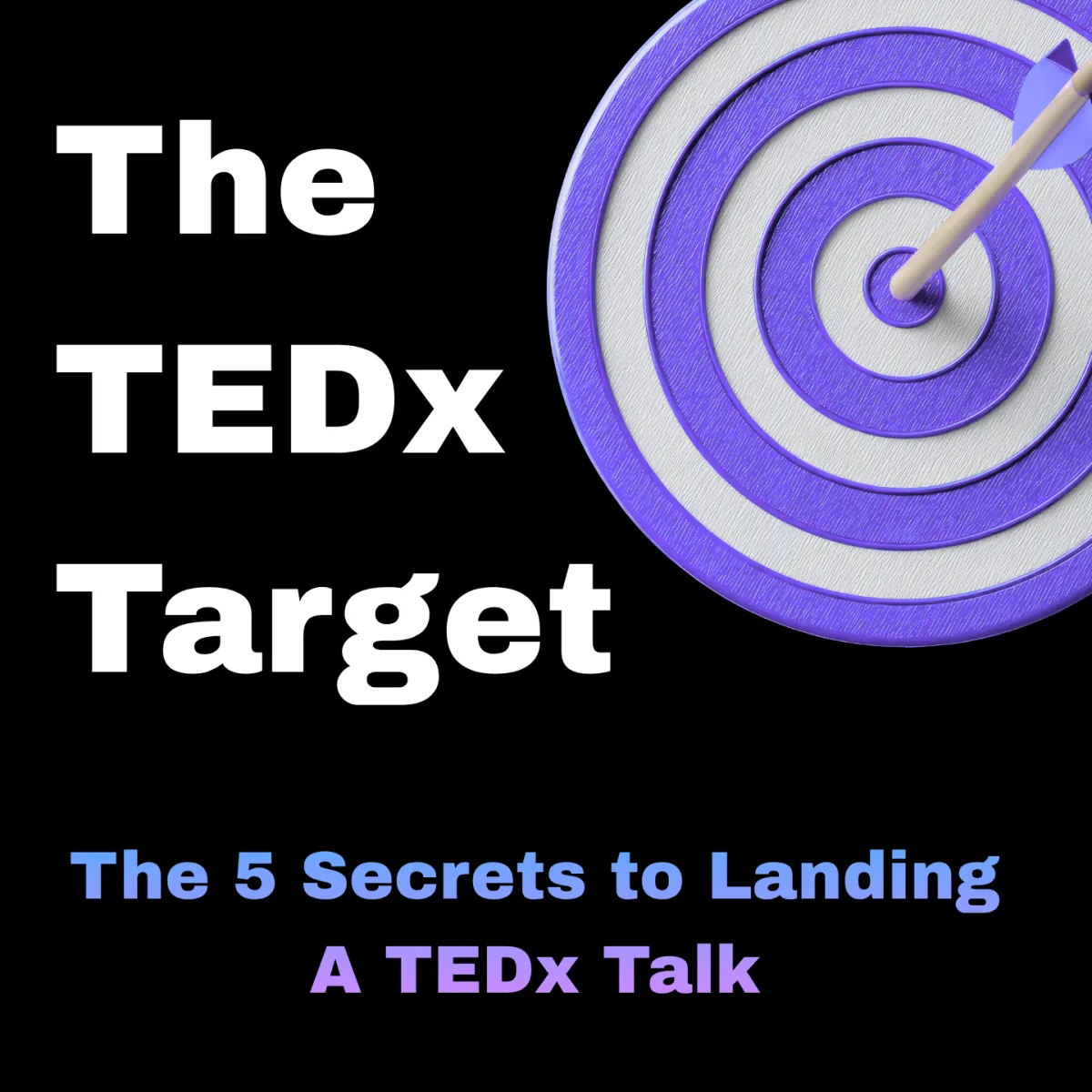
If you're serious about earning a TEDx opportunity, join The TEDx Target Masterclass: The 5 Secrets to Landing a TEDx Talk.
In this free training, you'll learn:
How to shape an idea worth sharing
What TEDx organizers are really looking for
How to strengthen your TEDx application
Common mistakes that keep great speakers from getting selected
Register here:
https://successthroughspeaking.com/tedxtarget
Your idea matters.
Now let's make sure it's positioned to get noticed.